




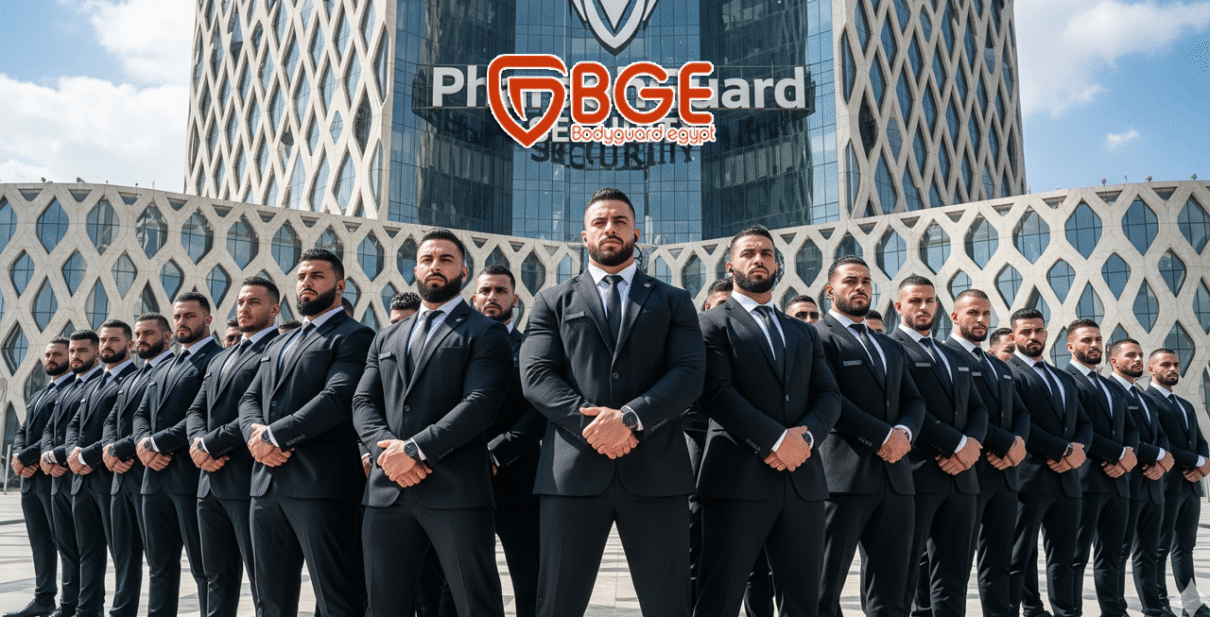
Hire Trained Bodyguards for Your Safety
Identify the Value of Professional Training
- Innovate in your vetting process by requesting “scenario-based” interviews, asking candidates how they would react to specific threats like a car ambush or a medical emergency in a crowded souk.
- Develop a competency matrix by ensuring the guards have training in defensive tactics, but more importantly, in verbal judo and diplomacy to prevent embarrassment.
- Build a multi-skilled team by looking for guards with secondary skills, such as paramedical training (TCCC) or advanced driving certificates, which add immense value to your daily routine.
- Interact with accredited training academies to verify the credentials presented by candidates, ensuring they have actually completed the courses they claim.
- Review and improve your team’s readiness regularly by sponsoring continuation training, such as range days or first aid refreshers, to keep their skills sharp.
- Invest in “Executive Protection” specialists rather than general security guards; the former are trained to protect people, while the latter are trained to protect property—a crucial distinction.
Plan Your Protection Requirements
- Defining the Threat Level 📌 Before hiring, you must assess your threat level. A celebrity facing stalkers needs a bodyguard trained in surveillance detection, while a CEO needs someone trained in corporate etiquette and secure logistics.
- Understanding the Operating Environment 📌 Studying where you will be spending your time helps you produce a requirement list. If you are on a yacht in the Red Sea, you need guards with maritime security training; if in downtown Cairo, you need crowd control experts.
- Selecting the Right Profile 📌 Analyzing whether you need a “hard skills” operator (visible deterrent) or a “soft skills” operator (grey man) helps in reducing friction in your daily life.
- Drafting Protocols for Use of Force 📌 Value. The rules of engagement you establish must add value by ensuring your guards know the legal limits of force in Egypt, protecting you from legal liability.
- Optimizing for Medical Needs📌 By ensuring at least one member of your detail is a trained medic, you avoid relying solely on public emergency services. Strategic medical readiness is often more useful than firearms training in daily operations.
- Investing in Intelligence Analysis 📌 Hiring a team leader trained in intelligence preparation ensures that routes are checked and venues are vetted before you ever step foot outside.
- Interaction with the Family 📌 The trained bodyguard knows how to interact with children and spouses, maintaining a protective distance that is respectful yet effective.
- Patience in Recruitment 📌 Building a top-tier team requires patience; waiting for the right candidate who combines physical fitness with mental acuity is better than hiring a gym-goer immediately.
Focus on Specialized Skill Sets
- Evasive Driving Verify that your protector has attended a recognized driving school. In Cairo, the ability to escape a blockade or navigate through gridlock safely is the primary skill that keeps you safe.
- Surveillance Detection Choose guards trained in counter-surveillance. They should be looking for who is watching you, identifying potential kidnappers or paparazzi before they make their move.
- Unarmed Combat Prioritize guards who are experts in grappling and restraint techniques (like Jiu-Jitsu) rather than striking. The goal is to control and remove a threat without causing a scene or a lawsuit.
- Emergency Communications Ensure the team is trained in radio voice procedure and has a communication plan. They must know how to call for extraction or backup clearly under stress.
- Access Control Ensure the guard understands the nuances of access control—how to screen guests and gifts at your residence or hotel suite without being rude.
- Fire Safety A trained bodyguard is also a fire warden. They should know the evacuation routes and how to use fire extinguishers, as fire is a more common threat than assassination.
- Avoidance of “Yes Men” Avoid guards who agree with everything you say. A trained professional will respectfully push back if your request compromises your safety (e.g., “Sir, we cannot take that route”).
Focus on Situational Awareness & Psychology
Interact with Your Security Team
Your interaction with your security team is one of the decisive factors in your success in maximizing their training. When you communicate effectively with your bodyguards, you empower them to do their job. Here are effective strategies to interact with trained professionals.
- Briefing the Schedule👈 You must provide your itinerary in advance; trained guards do “advance work” (scouting locations). Giving them time to prepare allows them to identify exits and safe rooms.
- Listening to Advice👈 Respect their training; if they advise you to wait inside the car for two minutes while they scan the arrival point, allow them to do so. It is for your safety.
- Providing Resources👈 Ensure they have the tools they need—whether it’s radios, vehicles, or a budget for incidentals. A well-equipped team is an effective team.
- Establishing Boundaries👈 Discuss privacy boundaries early on. A trained guard knows how to be present without invading your personal space, but clear guidelines help.
- Honesty About Threats👈 Be completely honest about any threats, debts, or enemies you have. Hiding information from your security team blinds them to potential risks.
- Regular Debriefs👈 Participate in short debriefs after events. This feedback loop helps the team adjust their protocols to better suit your lifestyle and preferences.
Connect with Licensed Agencies
In the world of personal protection, connecting with fully licensed and insured agencies is a decisive strategy for ensuring you get trained personnel. Freelancers may lack the oversight and continuous training that agencies provide. Enhancing communication with these agencies is vital.
- Verification of Standards Start by asking the agency about their recruitment standards. Do they hire former military or police? What is their minimum physical fitness requirement?
- Checking Insurance Ensure the agency has liability insurance. If a guard is injured protecting you, or if they accidentally damage property, the agency’s insurance should cover it, not you.
- Leveraging Backup Teams Use the agency’s depth of resources. If your primary bodyguard gets sick, a large agency can deploy a similarly trained replacement immediately.
- Training Curriculums Ask to see their training syllabus. A reputable agency will be proud to show you the modules their guards undergo, from first aid to legal compliance.
- Legal Compliance By working with a licensed firm, you ensure that any weapons carried are legal and registered. In Egypt, the penalties for illegal weapons are severe.
- Background Vetting Agencies have the resources to conduct deep background checks, verifying that the “trained” guard doesn’t have a history of violence or theft.
- Management Support When you hire through an agency, you get a dedicated operations manager who oversees the quality of service, taking the burden of management off your shoulders.
- Contractual Clarity A clear contract protects both parties, defining the scope of duties (e.g., “The guard will not walk the dog or carry groceries”) to ensure the focus remains on security.
Continue to Learn & Evaluate
Your continuation in learning and evaluating your security setup is essential for achieving success in long-term safety. Security needs change; what worked for you last year might not work today. By continuing to learn about the evolving threat landscape in your region, you can adjust the profile of your security team.
Invest in understanding the basics of executive protection so you can evaluate if your team is doing a good job. Are they watching the crowd, or their phones? Are they positioning themselves correctly? You can also stay in touch with security consultants to audit your team periodically. By continuing to learn and evolve your understanding of security, you become a smarter client, demanding higher standards and achieving sustainable protection.
In addition, understanding that “trained” is a continuous state, not a one-time event, implies that you should encourage your team to take advanced courses. Supporting their professional development ensures they remain at the cutting edge of security tactics. Consequently, continuous evaluation contributes to a dynamic and effective security posture.
Have Patience and Confidence
- Patience with procedures.
- Confidence in their skills.
- Trust in the process.
- Respect for the profession.
- Acceptance of constraints.
- Calmness in crisis.
- Reliance on expertise.