What is a bodyguard?
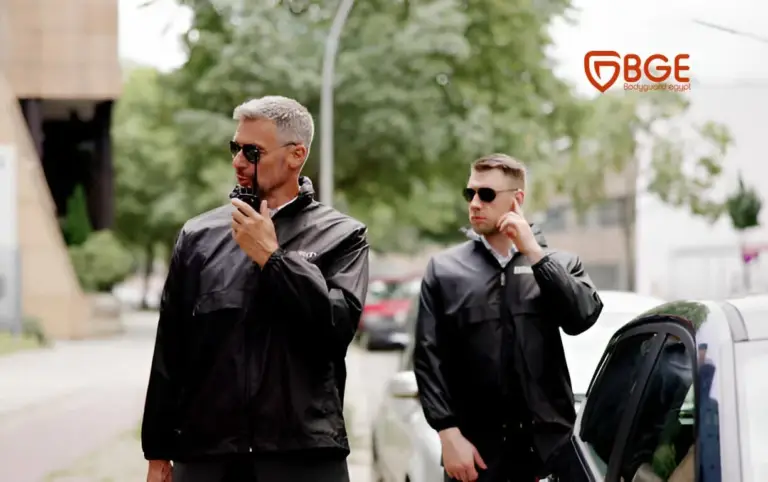
A bodyguard is a personal protection professional whose role is focused on the safety of a specific person or group during an agreed assignment. Unlike a security guard whose work is usually tied to a building, entrance or fixed location, a bodyguard works around the protected person’s movements, schedule, privacy and changing environment.
The exact scope depends on the assignment. It may involve accompanying a client during meetings, travel, public appearances, hotel or airport movements, private events, or a defined period in which personal protection is required. The service should be planned around the client and the assignment rather than around a generic security package.
Bodyguard vs security guard: what is the difference?
| Point | Bodyguard / Personal Protection | Security Guard |
|---|---|---|
| Primary focus | Protecting a person | Protecting or controlling a fixed site |
| Movement | Moves with the protected person as required | Usually works within a defined post or premises |
| Planning | Based on the client, schedule and assignment | Based on the site, access points and facility rules |
| Privacy | Often a major part of the assignment | Usually secondary to site procedures |
| Duration | Can be hours, a day, an event or a longer assignment | Often organised as fixed shifts |
For a more detailed comparison, see Bodyguard vs Security Guard in Egypt.
What does a bodyguard do?
At a high level, a bodyguard helps maintain a safer and more controlled environment around the client. The work may include staying aware of the surroundings, coordinating movement, reducing unnecessary exposure, supporting orderly arrivals and departures, and keeping communication clear during the agreed assignment.
Professional protection is not about publishing detailed tactics or using a one-size-fits-all routine. Operational arrangements should remain private and should be adapted to the real assignment after the necessary information has been reviewed.
What skills matter in personal protection?
Physical fitness can be useful, but professional personal protection depends on much more than appearance. Important qualities include:
- Situational awareness: noticing meaningful changes in the environment without creating unnecessary alarm.
- Discretion: protecting the client’s privacy and avoiding unnecessary attention.
- Clear communication: keeping instructions and updates simple and controlled.
- Judgment: responding proportionately to changing circumstances rather than overreacting.
- Reliability and discipline: following the agreed scope, timing and responsibilities.
- Professional conduct: interacting appropriately with clients, venues, staff and the public.
How is a personal protection assignment planned?
Planning begins with the assignment, not with a fixed number of guards. The provider first needs to understand the date, location, duration, general movement pattern, number of people covered and any relevant concerns that can be shared privately.
Those factors help determine the appropriate protection scope. A short private meeting in one location is different from a full day involving several movements or a public-facing event. You can read more in our guide to personal security risk assessment in Egypt.
When might someone need a bodyguard?
Personal protection may be considered when the requirement is attached to the person rather than to a building. Common examples include business travel, executive meetings, public appearances, private events, visitor or tourist movements, and assignments where privacy or controlled access around the client is important.
Needing a bodyguard does not automatically mean that a specific threat exists. In many cases, the purpose is simply to organise movement, privacy and personal protection at a level that fits the assignment.
One bodyguard or a protection team?
There is no responsible fixed answer without understanding the assignment. Some situations may be suitable for one personal protection professional; others can require a broader arrangement because of the number of protected people, assignment length, public visibility, movement between locations or event environment.
The correct starting point is an assessment of the task. A provider should be able to explain the proposed scope in plain language without exposing sensitive operational details or selling unnecessary coverage.
How do you choose a bodyguard or protection provider?
Look beyond appearance and marketing language. Ask who will be responsible for the assignment, what information is required before confirmation, how the scope will be defined, how privacy is handled and what happens if the schedule changes materially.
A useful provider should also be clear about service boundaries. Body Guard Egypt’s current service scope is focused on protecting people, not staffing facility-guarding contracts or recruiting job seekers. If you need direct personal protection, review the Personal Bodyguard in Egypt service page.
What information is needed before requesting protection?
You do not need to publish sensitive details. A useful first request normally includes the assignment date, city or general area, estimated duration, number of people requiring protection and a high-level description of the movements or event.
Additional information should only be requested when it materially affects planning. Our guide to the information needed for a bodyguard quote in Egypt explains what to prepare without posting private details publicly.
Common mistakes when arranging a bodyguard
- Choosing only by physical appearance.
- Deciding the number of guards before describing the assignment.
- Using site-security requirements as if they were personal-protection requirements.
- Sharing private addresses, routes or sensitive concerns in public messages.
- Accepting vague service boundaries without confirming the date, duration and scope.
- Assuming that every assignment requires the same protection format.
Frequently asked questions
Is a bodyguard the same as a security guard?
No. A bodyguard is focused on protecting a person, while a security guard is generally assigned to a premises, access point or fixed security function.
Does a bodyguard have to look intimidating?
No. Awareness, discretion, communication, judgment and professional conduct are more important than relying on appearance alone.
Can I hire a bodyguard for a short assignment?
Short assignments may be possible depending on the date, location, duration and availability. See Hire a Bodyguard in Egypt for the current booking intent and service options.
Do I need to share sensitive information to get a quote?
Not at the first stage. Start with the date, general location, duration, number of protected people and the type of assignment. Any genuinely sensitive information should be handled privately and only when necessary.
Does personal protection guarantee that nothing can happen?
No responsible provider can guarantee zero risk. The purpose of planning and personal protection is to make the assignment more controlled and to match the protection scope to the information available.
Request personal protection in Egypt
If you need protection for a person rather than a building, share the basic assignment details confidentially: date, city or area, duration, number of people and the general type of movement or event. The team can then determine the appropriate service scope without requiring you to publish sensitive information.